


A rear-view mirror is a mirror in automobiles and other vehicles, designed to allow the driver to see rearward through the vehicle's backlight (rear windshield or windscreen). In cars, the rear-view mirror is usually affixed to the top of the windshield on a double-swivel mount allowing it to be adjusted to suit the height and viewing angle of any driver and to swing harmlessly out of the way if impacted by a vehicle occupant in a
collision.
The rear-view mirror is augmented by one or more side-view mirrors, which serve as the only rear-vision mirrors on motorcycles
and bicycles.
-

 An engine has numerous moving parts, and where there is movement there is friction. Friction creates heat. Motor oil is pumped throughout the engine block to provide some lubrication, but it isn't enough to overcome all of this excess heat energy. As a result, parts of the engine become boiling hot as part of normal operations. This is where the radiator system comes into play. The engine block must be kept relatively cool to avoid serious problems like overheating and seizure. If the pistons cannot slide freely in their cylinders due to excessive friction, they will eventually snap and cause total engine failure. To prevent this from happening, a mixture of water and anti-freeze is pumped through chambers in the engine block to absorb the excess heat and draw it away from vital areas.
 -
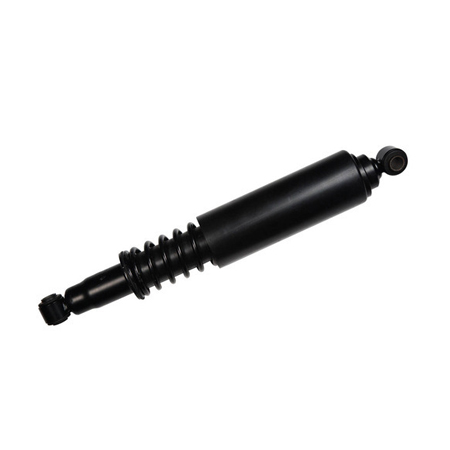
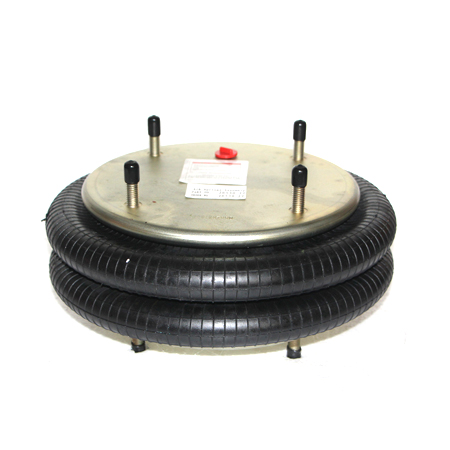
Air suspension system for front and rear:
- Front: Parabolic springs - Independent front suspension
- Rear air suspension
-
- 4 bag system
- 2 bag system
- Cow-horn suspension: For ultra low floor, low floor, high deck bus applications
- HA4 - 4 bag suspension system
-